Expert Tips on Maintaining a Clean Hospital Environment in Tennessee


Maintaining a clean hospital environment is crucial for ensuring patient safety and promoting healing. In Tennessee, where healthcare standards are high, hospitals must adhere to rigorous cleaning protocols to minimize infection risks. Here are some expert tips to help maintain a pristine hospital environment.
Understanding the Importance of Hospital Cleanliness
A hospital's cleanliness is directly linked to patient outcomes. Clean environments reduce the risk of healthcare-associated infections (HAIs), which can lead to prolonged hospital stays and increased healthcare costs. It's essential for hospital staff to understand the impact of their cleaning efforts on patient health.
Implementing Effective Cleaning Protocols
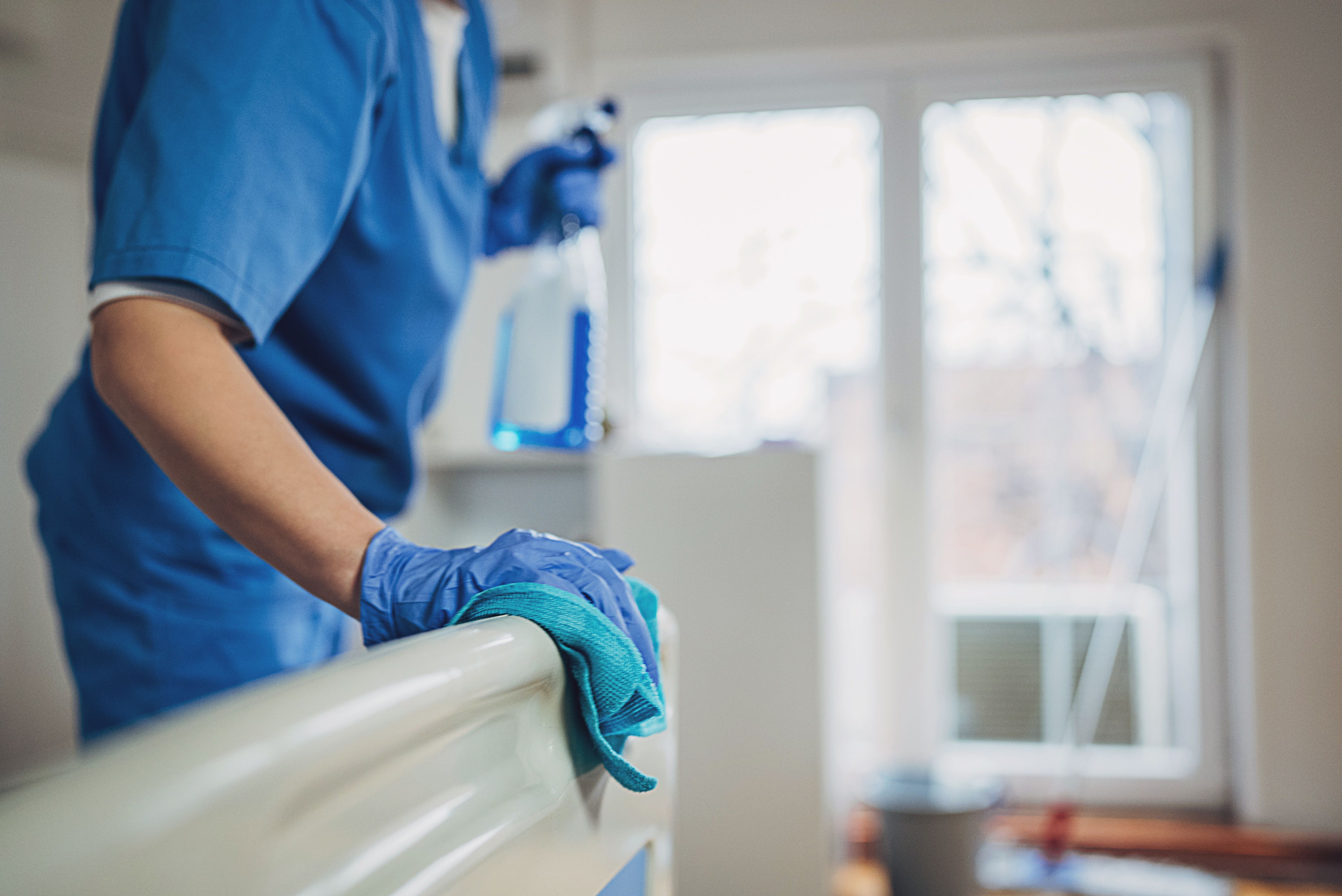
One of the first steps in maintaining a clean hospital is to implement and adhere to comprehensive cleaning protocols. These should include:
- Regular cleaning and disinfection of surfaces
- Proper waste disposal methods
- Routine checks of air quality systems
By establishing consistent cleaning schedules and procedures, hospitals can significantly reduce the risk of contamination.
Training and Educating Staff
Education is key to maintaining a clean hospital environment. Staff should receive continuous training on the latest cleaning techniques and technologies. This training should emphasize the importance of personal hygiene, such as regular handwashing and the use of personal protective equipment (PPE).

Utilizing Advanced Cleaning Technologies
Modern hospitals in Tennessee are increasingly adopting advanced cleaning technologies, such as UV light disinfection and electrostatic sprayers. These tools can reach areas that are difficult to clean manually, ensuring a more thorough disinfection process.
Fostering a Culture of Cleanliness
Creating a culture of cleanliness involves everyone in the hospital, from administrative staff to medical professionals. Encouraging accountability and teamwork can help maintain high standards of hygiene. Regular audits and feedback sessions can also promote a culture of continuous improvement.

Engaging Patients and Visitors
Patients and visitors also play a role in maintaining hospital cleanliness. Hospitals can engage them by providing information on hygiene practices and offering hand sanitizers at key locations. Clear signage can guide them in contributing to a cleaner environment.
Partnering with Professional Cleaning Services
Many hospitals in Tennessee partner with professional cleaning services to ensure their facilities meet the highest cleanliness standards. These services bring expertise and specialized equipment, offering an additional layer of assurance.
Maintaining a clean hospital environment is a collective responsibility that requires commitment and collaboration. By following these expert tips, hospitals in Tennessee can continue to provide safe and healing spaces for their patients.